Understanding Garage Door Mechanisms: A Comprehensive Overview Jan 25, 2026
Garage doors are complex systems that combine several mechanical and technological elements to operate seamlessly. The primary components include the door itself, springs, tracks, rollers, hinges, and the opener. Each plays a vital role in the opening and closing process, and understanding their functions can help you troubleshoot common issues and decide when professional assistance is needed.
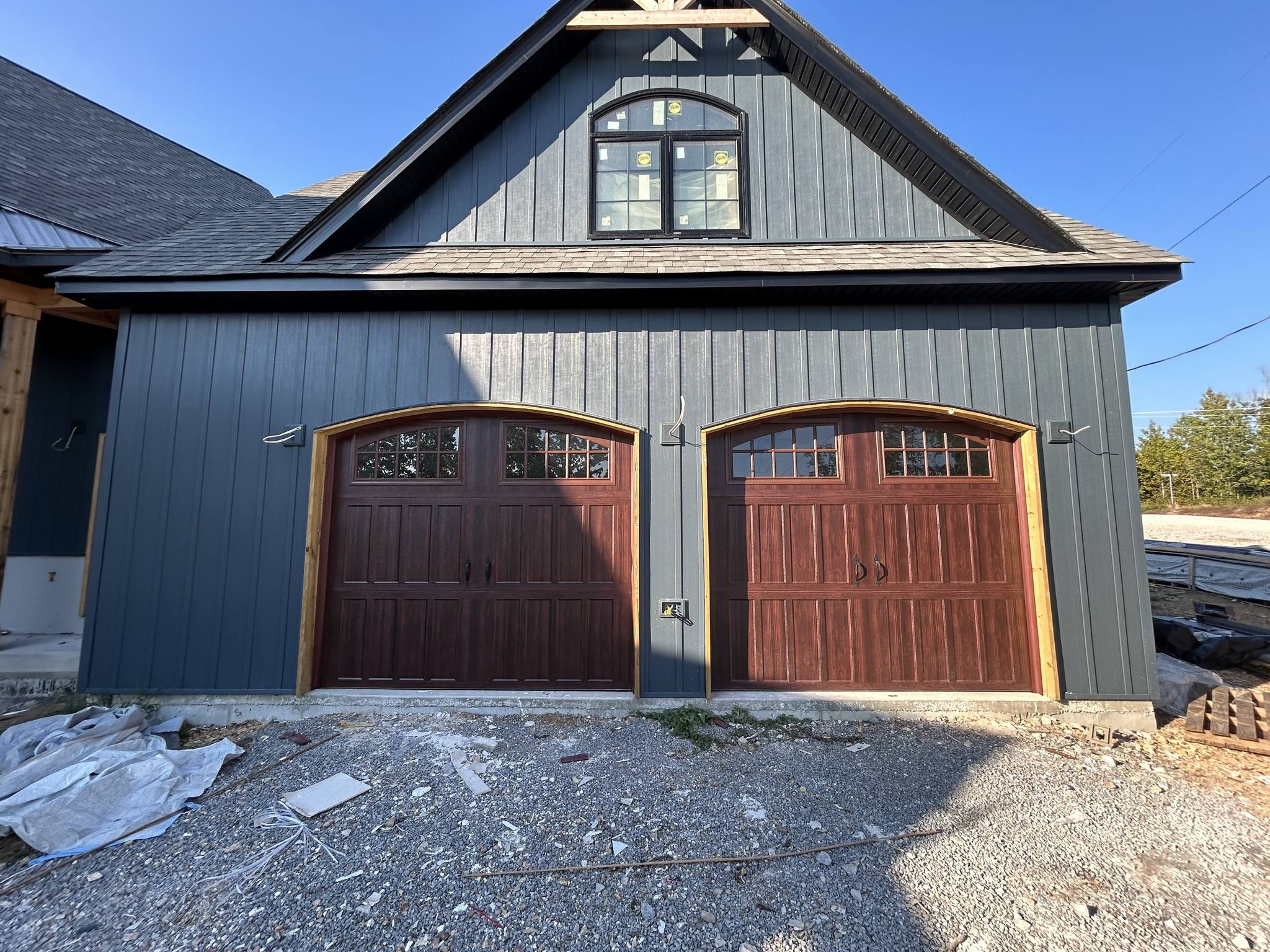
The door panels are the most visible part of your garage door system. Whether made from steel, wood, or composite materials, these panels provide the barrier between your garage and the outside world. Regular inspection of the panels can help detect early signs of wear and tear or damage from the elements, preserving the aesthetic and functional integrity of the door.
One of the most crucial components of a garage door mechanism is the spring system, which includes torsion and extension springs. These springs carry the heavy lifting, counterbalancing the door's weight to facilitate easy opening and closing. Torsion springs are mounted above the door and twist to counterbalance the weight, while extension springs are found on either side of the door, extending and contracting as the door maneuvers. As these springs are under significant tension, it is advisable to have them serviced by professionals to prevent any risk of injury.
Tracks and rollers guide the garage door as it moves up and down, ensuring smooth operation. Tracks should be aligned and free of debris; any obstruction can cause the door to malfunction. Rollers, which run along the tracks, should be lubricated regularly to minimize friction and noise. If you notice your door getting stuck or producing unusual sounds, a quick check of these elements might resolve the issue.
Hinges connect each segment of the garage door, allowing it to fold as it opens and closes. If your door starts to squeak or moves unevenly, it could be a sign that the hinges need lubrication or tightening. Regular maintenance can prevent these minor annoyances from developing into larger problems.
The garage door opener simplifies the operation, often operating remotely to enhance convenience. Modern openers feature smart technology, allowing control from smartphones or integrating with home automation systems for added security and convenience. Ensuring that the opener's motor is functioning correctly and that remote controls have fresh batteries will keep your garage door ready to respond at a moment’s notice.
In conclusion, understanding the basic mechanics of your garage door can help prolong its lifespan and maintain safety and functionality. Routine checks and maintenance can address minor issues before they become costly repairs. However, for more complex mechanical issues or routine inspections, the expertise of a dedicated team like Ellis Garage Doors is invaluable. We provide comprehensive maintenance and repair services to ensure that your garage door operates efficiently and safely. By staying informed and attentive to the needs of your garage door, you can enjoy hassle-free use and enhanced home security.
/filters:no_upscale()/filters:format(webp)/media/527cdf9c-5876-470f-8c0b-4a9d535bb95c.jpeg)
/filters:no_upscale()/filters:format(webp)/media/cd9de3e9-0241-447d-8582-2fc90d2a48e0.jpeg)